Emotionally Wholistic Children
Tips for Raising Children in an Anti-Hypermasculine Way
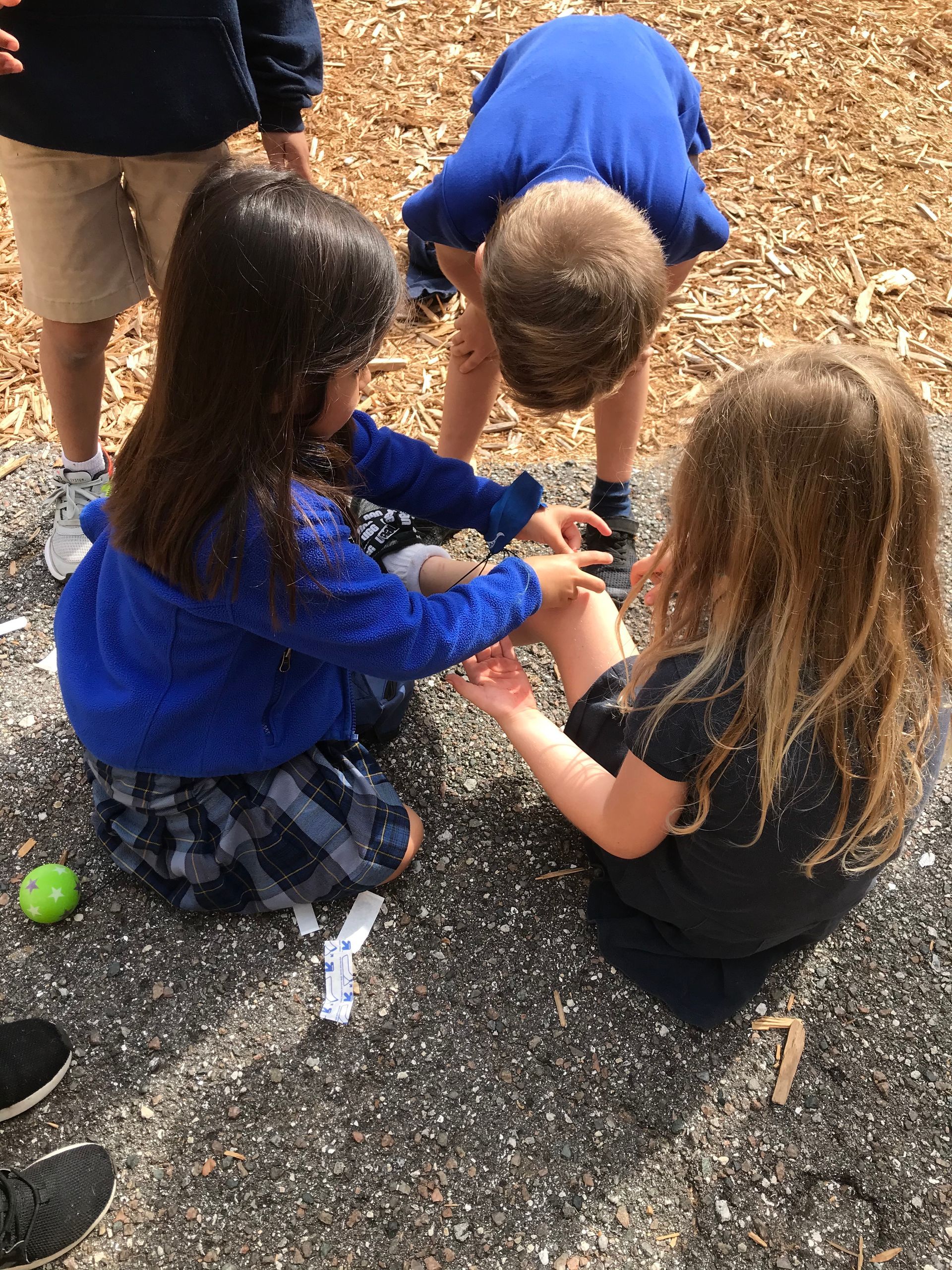
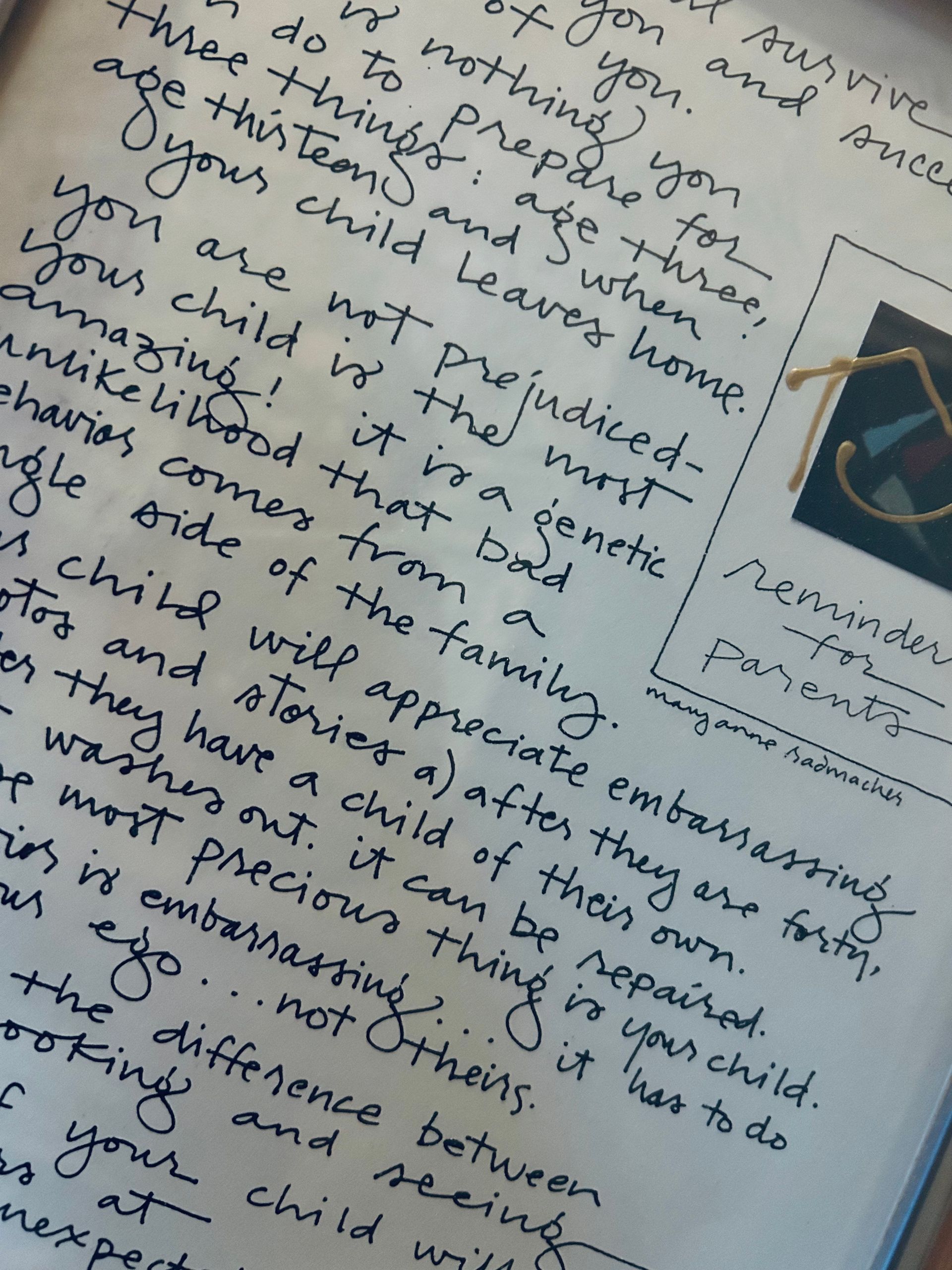
The above picture is from my days as a Kindergarten teacher.
I was very fortunate to have flexibility in delivering my lessons and one day I decided that adding a Kindness Club to our curriculum was critical. I noticed that there were skills--imperative to compassion and empathy-- that were not being seen or taught to children.
On this particular day, a student fell on the playground. The "Kindness Crusader" on duty for the week rushed over with their bag of supplies and handled the event without hesitation, which included asking if the friend wanted a bandaid, or hug, or both.
If you've seen elementary recess time, you know that small injuries like this are not uncommon. But receiving care and assistance from your class is uncommon. Usually the child falls and the teacher handles the situation. In some cases, the teacher sends the child and another student to the office for a bandaid or ice. But I knew we were doing a disservice to children by taking away the opportunity for them to care for their friends. Children are natural empaths. I found I didn't have to teach Kindergarteners to be curious, interested, or concerned. I also noticed that no one was teaching them what comes next, after caring about and being concerned and curious. So I showed them. I modeled it. I gave them books. We talked through examples. And most importantly, we talked about choices, how what one friend might like, another friend might not. It wasn't meant to be a remedy to the hyper-masculine messaging we've all been subject to throughout the years, in fact, I likely didn't even have the language for that at the time. But since the underlining mission of the Kindness Club was to empower and equip children with emotional sturdiness, it can lead to a similar outcome: children not being afraid of emotions and having some tools for what to do in times of distress.
I suspect that the Kindness Club was the seed that grew into me becoming a Parent Coach.
I see the juggling act parents are scrambling to keep up with everyday. I see the immense pressure that is placed on parents and the invisible weight or labels and stories they carry. I see the burden of being stuck in a place where they care about their kids more than they can articulate, but really don't know what to do next because the old systems don't work in this current universe.
More people today want to raise emotionally healthy children. All the studies and research on Attachment Theory have demonstrated that a significant piece of how we show up in our romantic relationships is based on our early attachment figures. Maybe no one told you that before you became a parent. Our children in the future will show how we loved them, when/if they become romantically involved. How they handle their emotions, what they do in stressful situations, and how they show up in relationships can be traced back to their early years of bonding with you.
THIS, to me, should be part of Sexual Health Education. AND, this type of information shouldn’t wait until puberty. It’s an awareness building process that evolves throughout our children’s lives. We plant the seeds based on our eye contact, how authentic our responses are, and how supported our child feels by us when they’re upset or struggling. These are the ways they will support a friend, a partner, or even themselves when times get tough.
Listen, I know that the big picture of parenting can be really overwhelming, so let’s break this work down into manageable bits.
If you’re like me, and want to help build an emotionally-attuned generation, keep reading. I’ve broken down what I’d do for different stages of development. (You can also find videos on this on my Instagram site.)
If I had a toddler or preschool aged kiddo in my home right now, I would pay attention to, and help them develop awareness and intuition, around bodies. Bodies are a point of natural curiosity at this stage, so this won’t be tricky! Specifically, I’d listen when they said they were full. I’d remind myself when I questioned them and tried to get them to take “just a few more bites”, that those bites taught them to ignore their internal awareness. I’d tell myself in those moments that pleasing me is not the priority of nutrition. Also related to body awareness, I’d help my exuberant child ask before hugging their friends. I’d help them practice this skill now, so it becomes automatic for the future.
If I had an early-elementary aged child at home, I’d channel some energy into helping them accept and vocalize the word no. When you tickle your child and they say, “Stop,” while also laughing, I’d say, “Ok. I heard you. I’ll stop.” If they ask why I stopped, I’d clarify that “stop” and “no” are powerful words and we need to respect them when a person says them. It’s hard for kiddos this age to understand other people’s experiences outside of their own. We have to keep building that knowledge for them. Another way to enforce this at home if you have multiple children, is by creating a firm boundary around physical contact, especially when they fight. For example, I might draw a line around violent, physical fighting especially when the other person has said, “Stop!” (And if you’re reading this wondering how to enforce these things without getting caught up with/in your own personal history, reach out! These are the types of things we can work on together.)
For older-elementary aged kids, I think it’s imperative that we protect their childhood. I’d look around at the language and messages being sent to them regarding relationships. If an older relative always asked them, “Do you have a boy/girlfriend yet?” I’d tell the person that this isn’t an appropriate thing to ask. I’d remind them that this a child and they deserved to have a childhood without adult-life pressure. Could it be awkward? Yes, 100%. But, in those situations, I've reminded myself that a moment of awkwardness for me is better than a lifetime of shame for my child. I’d also look at ways I might be reinforcing advanced development, through my comments and suggestions, and also through what shows we watch together.
If I had a middle school age child at home, I’d help them advocate and stand up for others or causes that they were passionate about. This is an age where bullying is very common, so I’d pay attention to behavior and personality changes. I'd try to make sure they had some adults they could confide in. Fitting in is another big topic for this age group, so I’d also start trying to help them understand who their friends were and why they choose them. Middle school is an age where many parents tell me their own experiences of not fitting in and other social group challenges. If I hadn't already worked with a coach or therapist on my past history, I'd make this a priority. It's very common for parents to have a "stepped back" presence during this time. But I've cautioned many parents from this and instead focus on protecting (or establishing) family time by creating a device-free time/day. While this might not be a popular opinion, it’s important that all family members participate, including the parents. (Teens love to call out parent hypocrisy!) In addition, it’s not enough to just remove the devices. Replacing that time with a family outing or event is what will help them learn how to be in relationship with other people (board game tournament, anyone?).
Independence would be top of mind if I had a high schooler. I’d step back from being the rescuer of so many minor tragedies. Resilience is a skill that can only be taught through direct experience and many kiddos today haven’t had the chance to grow this because so many parents have rushed in to save them from everything--from packing their water bottle for them, to providing excuses to teachers about a failing test score, to remembering their sports uniform/gear. I’d make sure they knew how to do their own laundry. And, if giving up some of these jobs was really hard for me, (I'll be honest, it was--this isn't hypothetical), I’d examine my need for being overly involved. Lastly, I'd remind myself that the older high school stage of development is filled with endings. As their K-12 education comes to a close, their future plans may or may not look different from my experience or my dreams for them. So I'd be checking my reactions to their plans. As a parent who has been down the college path, I admit that it's hard not to get swept up in the memories of your own experience. Practice makes us better.
And, that's why I'm here.
Reach out and we'll figure out if coaching, a hug, a bandaid, or all the above is what you need. :)
~Amy